
Key topics:
-Spelling And Punctuation
-Paragraphing And Punctuation Rules
-Formal And Informal Language
-Register And Tone For Different Task
-Editing And Proofreading skills
Why choose us:
Our approach makes mastering conventions simple and effective.
Paragraphing And Logical flow
In Paragraphing and Logical Flow, students learn how to organize ideas clearly and effectively. Lessons focus on topic sentences, supporting details, and concluding statements to build strong paragraphs. Students also practice linking ideas smoothly using transitions. Mastering paragraphing and logical flow helps learners create well-structured writing that is easy to follow and communicates meaning confidently.
Spelling And Punctuation
Formal And Informal Language
Register And Tone For Different Task
Editing And Proofreading Skills
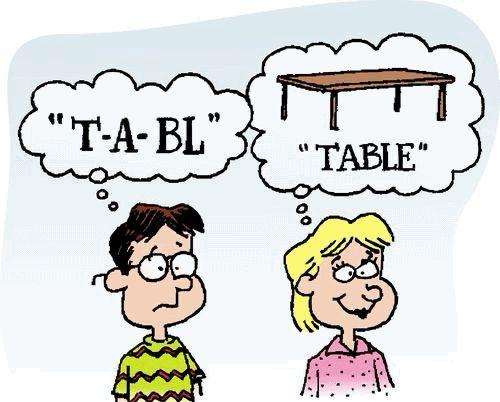
In Punctuation and Spelling Rules, students learn how to use writing conventions correctly to improve clarity and accuracy. Lessons cover basic punctuation marks, correct spelling patterns, common errors, and rules for prefixes, suffixes, and homophones. Understanding these rules helps learners write confidently, avoid mistakes, and communicate their ideas clearly in both academic and everyday English tasks.
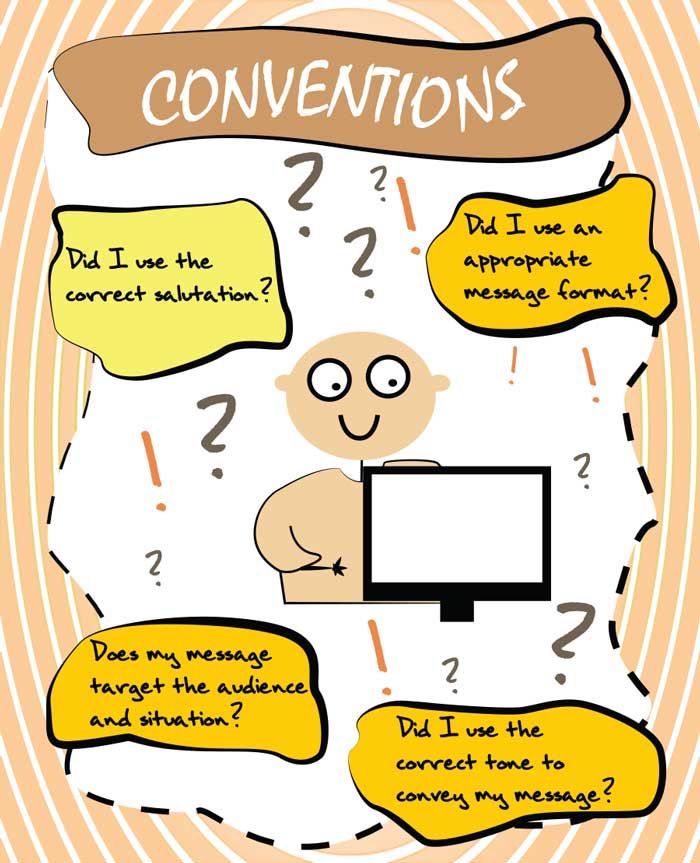
In Register and Tone for Different Tasks, students learn how language changes depending on purpose and audience. Lessons focus on choosing the right level of formality, emotion, and style for essays, speeches, emails, and conversations. By understanding register and tone, learners communicate more effectively and create writing that matches the expectations of each specific task.
In Formal and Informal Language, students learn how to choose the right tone for different situations. Lessons teach the differences in vocabulary, sentence structure, and expressions used in professional versus casual communication. Students practice switching between both styles, helping them write emails, essays, and messages appropriately. Understanding these registers improves clarity, respect, and effectiveness in real-life communication.