

Key topics:
-Grade 10: Introduction to Literary Study
-Grade 11: Developing Critical Insight
-Grade 12: Mastery and Comparative Understanding
-Purpose of Teaching These Texts
Why choose us:
l make understanding novels and dramas simple, clear, enjoyable.
Grade 11: Developing Critical Insight
In Grade 11, learners study:
-Novel: Tsotsi
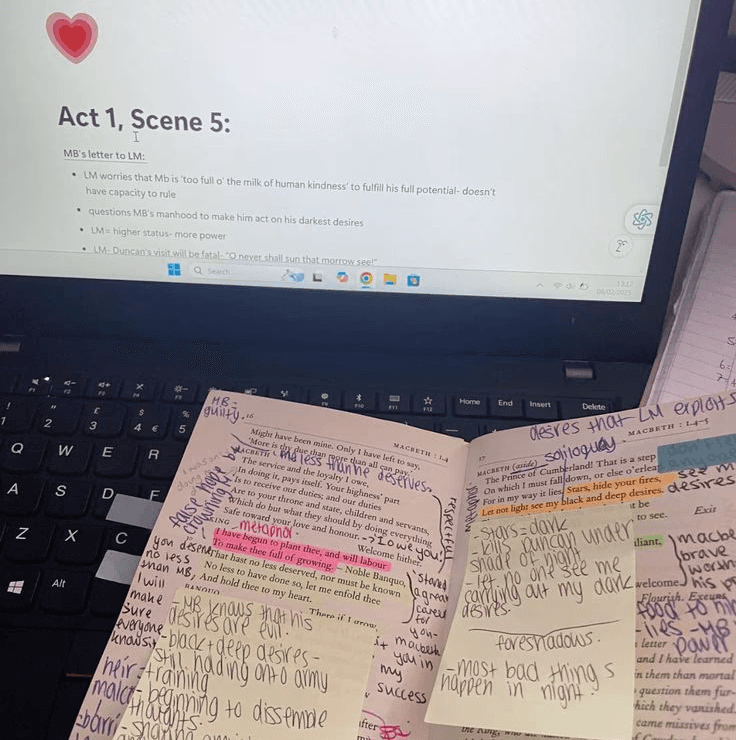
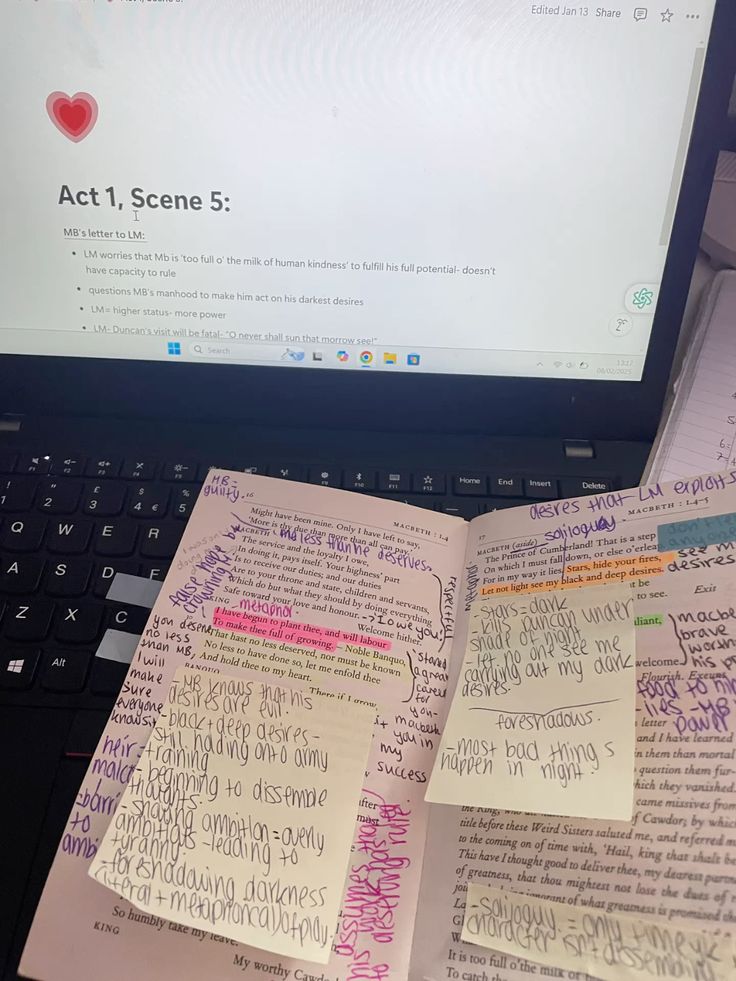
-Drama: Macbeth
At this level, formal assessment is centred on the novel Tsotsi. This allows learners to deepen their understanding of narrative techniques, socio-political contexts, and character transformation while still being exposed to Shakespearean tragedy through Macbeth.
Grade 10: Introduction to Literary Study
Grade 12: Mastery and Comparative Understanding
Purpose of Teaching These Texts
Learners are introduced to two foundational texts:
-Drama: Romeo and Juliet
-Novel : Mother to Mother
Although both texts are taught, formal assessment focuses on Romeo and Juliet. This supports early immersion in dramatic conventions, character development, and the exploration of universal themes such as conflict, love, prejudice and fate.
-Develop critical thinking through the reading of complex, multi-layered texts.
-Expose learners to diverse genres—novel, drama, tragedy, contemporary fiction and classic literature.
-Build analytical and interpretive skills required for academic success beyond school
-Enhance empathy and social awareness through engagement with diverse characters, cultures and historical contexts.
Strengthen language proficiency by immersing learners in rich, authentic, and challenging language use.
-Prepare learners for examinations by ensuring genre-specific mastery at each grade level.
Grade 12: Mastery and Comparative Understanding
The final year of the FET phase introduces learners to a richer and more complex collection of texts:
-Novels: Life of Pi, The Picture of Dorian Gray
-Dramas: Hamlet, Othello, The Crucible
These works are chosen for their thematic sophistication, symbolic depth, and their ability to stretch learners’ abilities in interpretation, comparison, and higher-order analysis. By Grade 12, learners are prepared to engage with multiple genres at an advanced level, drawing connections between contexts, authorial choices and universal human concerns.